كانت الغرفة ضيقة، جدرانها متآكلة، والماكينة القديمة تحتل نصفها بصوتها المعدني الرتيب. على الطاولة الممتدة قطعتان من قماش، إحداهما بيضاء كالثلج، والأخرى سوداء كليلٍ لا ينتهي. جلست زينب على المقعد الخشبي المتهالك، عيناها مثقلتان بسنوات من الصبر، يداها تتحركان بمهارة اعتادت الخياطة منذ كانت طفلة في بيت أبيها. لكن حياتها لم تعد كالقماش الأبيض، بل صارت خليطًا متشابكًا بين الأبيض والأسود، كما تسميه هي: خيط أبيض للأمل، خيط أسود للحزن
تزوجت صغيرة من رجل لم يعرف معنى الشراكة. كان يعتبرها مجرد عاملة إضافية في حياته، تطبخ، تنظف، وتخيط ملابسه بثمن بخس من الاحترام. ومع مرور السنوات، تحولت الكلمات بينهما إلى أوامر، والصمت إلى جدار، والبيت إلى ورشة من غير أجر. لم يمد يده يومًا بالحنان، لكنه كان يمدها بالتهديد: لو خرجتِ من البيت، مش هترجعي. ولو رفعت صوتك، هتتحملي
في المساء، حين ينام، كانت زينب تسحب القماش إلى الطاولة وتخيط فساتين لجاراتها، ليس فقط من أجل النقود، بل من أجل أن تضع شيئًا من ذاتها في خيط يلمع. كل فستان كانت تعتبره رسالة. إذا كان الفستان أبيض اللون، تخيط فيه رجاءً صغيرًا أن يفتح لها بابًا نحو بداية جديدة. وإذا كان أسود، تخيط فيه وجعها الذي لا يراه أحد
وذات يوم، جاءت جارتها هالة تحمل قماشًا فاخرًا، قالت مبتسمة: عاوزة فستان سواريه أسود، عندي مناسبة كبيرة. أخذت زينب القماش بين يديها، شعرت بثقله، وقالت: الأسود تقيل. ردت هالة: بس يلمع، وهيخليني أبان قوية. ابتسمت زينب دون تعليق، لكنها وهي تخيط الخيوط السوداء، شعرت أن الفستان ليس لهالة وحدها، بل لها أيضًا. قوة تختبئ خلف لون يبدو حزنًا
في اليوم التالي جاءت فاطمة، صديقة قديمة لم ترها منذ سنوات، ومعها قماش أبيض واسع، قالت وهي تضحك: عاوزة جلابية عرس لبنتي. محتاجة تبقى مريحة ونضيفة، تليق بالفرح. حين أمسكت زينب القماش الأبيض، كاد يذيبها. الأبيض دائمًا يذكّرها بالحرية، بالنقاء، بالفرص التي لم تأتها. جلست ليلتها أمام الماكينة، على يمينها القماش الأسود، وعلى يسارها الأبيض. ظلت تنظر إليهما طويلًا، ثم همست لنفسها: حياتي بالظبط كده… نص أبيض ونص أسود
وفي الأسبوع ذاته، وقع خلاف شديد مع زوجها. اتهمها بأنها تضيع وقته وسمعته، لأنها تعمل في الخياطة، وقال بحدة: إما توقفي الشغل ده، أو تمشي. ردت للمرة الأولى بصوت ثابت: ماشي… لو ده اختيارك. لم يصدق أنها سترد، رفع يده، لكنها وقفت في وجهه دون أن ترتجف. في تلك اللحظة شعرت أن الخيط الأسود في داخلها صار سميكًا كفاية ليحمل جسدها كله. لم تسقط دمعة
في الصباح، أخذت نفسها إلى المحكمة. دخلت قاعة مليئة بنساء مثلهن، كل واحدة تحمل ملفًا أثقل من جسدها. قالت للمحامية: عاوزة خلع. نظرت المحامية إليها طويلًا، ثم سألت: مستعدة تتحملي؟” أجابت: مستعدة أعيش بخيط أبيض واحد، أحسن من ألف خيط أسود
بدأت الجلسات. الرجل أنكر، صاح، اتهم، لكن القاضيّة – امرأة صارمة بملامح حادة – كانت تستمع بهدوء، ثم قالت جملة قصيرة: الخلع حق. صدر الحكم. يومها لم تبكِ زينب. خرجت من المحكمة رافعة رأسها، كأنها تخرج من غرفة ضيقة إلى شارع واسع
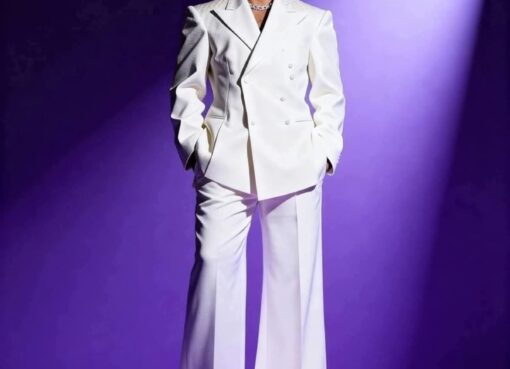
عادت إلى ورشتها الصغيرة. فتحت ماكينة الخياطة، وضعت أمامها قماشًا جديدًا، نصفه أبيض ونصفه أسود. بدأت تخيط جلابية لها هي، للمرة الأولى في حياتها تفصّل لنفسها. غرزة بيضاء، غرزة سوداء، كأنها تكتب تاريخها على قماش
جلست إلى الماكينة، وضعت بجوارها ورقة صغيرة كتبت عليها: من اليوم، أنا اللي بخيط حياتي. وأغلقت الورشة على صوت ماكينة لم يعد يُخيفها، بل صار إيقاعًا لحريتها
Threads of Freedom
Written by Hussein Ismail
The room was narrow, its walls worn and crumbling, and the old sewing machine occupied half of it with its monotonous metallic hum. On the long table lay two pieces of fabric: one white as snow, the other black like an endless night. Zainab sat on the rickety wooden chair, her eyes weighed down by years of patience, her hands moving with the skill of someone who had known sewing since childhood in her father’s house. But her life was no longer like white fabric; it had become a tangled mixture of white and black, as she called it: a white thread for hope, a black thread for sorrow.
She had married young, to a man who never understood the meaning of partnership. He saw her as nothing more than an extra worker in his life: cooking, cleaning, and sewing his clothes for a cheap price of respect. Over the years, words between them turned into orders, silence into a wall, and the home into an unpaid workshop. He never extended his hand in tenderness, but he often extended it in threat: If you leave the house, you won’t come back. And if you raise your voice, you’ll pay for it
In the evenings, when he slept, Zainab would pull the fabric onto the table and sew dresses for her neighbors, not only for the money, but to place a piece of herself into a shining thread. Every dress was a message. If it was white, she stitched into it a small hope that it might open a door to a new beginning. If it was black, she stitched into it her pain—the kind no one ever saw.
One day, her neighbor Hala came carrying luxurious fabric and said with a smile, “I want a black evening dress. I have a big occasion.” Zainab took the fabric in her hands, felt its weight, and said, “Black is heavy.” Hala replied, “But it shines, and it’ll make me look strong.” Zainab smiled without comment, but as she stitched the black threads, she felt the dress was not for Hala alone—it was for her too. Strength hiding behind a color that looks like sorrow.
The next day, Fatima came, an old friend she had not seen in years, carrying wide white fabric. Laughing, she said, “I want a wedding galabiya for my daughter. It has to be comfortable and clean, worthy of joy.” When Zainab touched the white fabric, it almost melted her. White always reminded her of freedom, purity, and chances that never came. That night, she sat before the sewing machine, the black fabric on her right, the white on her left. She stared at them for a long time, then whispered to herself, That’s exactly my life… half white, half black
That same week, a fierce argument erupted with her husband. He accused her of wasting his time and reputation by working as a seamstress and said sharply, “Either you stop this work, or you leave.” For the first time, she replied in a steady voice, “Fine… if that’s your choice.” He did not believe she would answer back. He raised his hand, but she stood facing him without trembling. In that moment, she felt the black thread inside her grow thick enough to carry her entire body. Not a single tear fell.
In the morning, she went to court. She entered a hall full of women like her, each carrying a file heavier than her body. She said to the lawyer, “I want a khul, The lawyer looked at her for a long moment, then asked, “Are you ready to endure?” Zainab answered, I’m ready to live with one white thread, better than a thousand black ones
The sessions began. The man denied, shouted, accused. But the judge—a stern woman with sharp features—listened calmly, then said a short sentence: “Khul ‘is a right.” The verdict was issued. That day, Zainab did not cry. She left the courthouse with her head held high, as if stepping out of a narrow room into a wide street.
She returned to her small workshop. She turned on the sewing machine and placed before her a new piece of fabric, half white and half black. She began sewing a galabiya for herself. For the first time in her life, she was tailoring something for herself. One white stitch, one black stitch, as if she were writing her history onto fabric.
When she finished, she put on the galabiya and stood before the mirror. For the first time, she saw herself whole—not only sad, not only happy, but a woman who understood that life is a mixture of white and black. Only then did a single tear fall, sliding slowly down her cheek, stopping at the edge of a new smile.
She sat by the sewing machine and placed beside it a small piece of paper on which she wrote: “From today on, I am the one who stitches my life.” She closed the workshop to the sound of a machine that no longer frightened her, but had become the rhythm of her freedom.