كتب سمير احمد القط
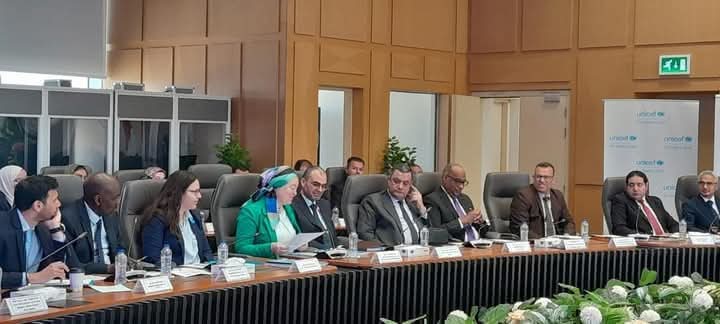
شاركت وزارة التضامن الاجتماعي في فعاليات ورشة العمل التي نظمتها وزارة المالية تحت عنوان «مخرجات ونتائج النموذج الوطني للموازنة التشاركية والمساءلة المجتمعية بمحافظة بني سويف»، وذلك بحضور الدكتور أحمد كجوك وزير المالية، والدكتور أحمد رستم وزير التخطيط والتنمية الاقتصادية، واللواء عبد الله عبد العزيز محافظ بني سويف، والأستاذ بلال حبش نائب المحافظ، والأستاذة سارة عيد مستشار وزير المالية، والدكتورة رندة فارس، مستشارة وزيرة التضامن الاجتماعي لشئون صحة وتنمية الأسرة والمرأة والطفل ومديرة برنامج «مودة»والسيدة ناتالي مايير نائب ممثل منظمة الأمم المتحدة للطفولة «اليونيسف»، واللواء الدكتور أحمد جمعة رئيس الإدارة المركزية للإدارة الاستراتيجية بوزارة التضامن الاجتماعي، وممثلى وزارات الصحة والتربية والتعليم و التنمية المحلية، وجهاز تنمية المشروعات الصغيرة ومتناهية الصغر، وعدد من ممثلي الوزارات والهيئات الوطنية وشركاء العمل التنموي من مؤسسات المجتمع المدني والقطاع الخاص.
وتأتي مشاركة وزارة التضامن الاجتماعي في إطار التعاون مع وزارة المالية في عدد من ملفات العمل المشتركة التي تستهدف رفع كفاءة الإنفاق العام، وتعزيز التكامل بين السياسات المالية وبرامج الحماية الاجتماعية، بما يسهم في تمكين الفئات الأولى بالرعاية وتحقيق التنمية المستدامة.
وأكدت الدكتورة رندة فارس، مستشارة وزيرة التضامن الاجتماعي لشئون صحة وتنمية الأسرة والمرأة والطفل ومديرة برنامج «مودة»، أن الفعالية تستعرض تجربة رائدة بمحافظة بني سويف، والتي تمثل نموذجًا وطنيًا للموازنة التشاركية، وتعكس التزام الدولة المصرية بتعزيز مبادئ الشفافية والمساءلة المجتمعية، وإشراك المواطنين في تحديد أولويات الإنفاق العام، وذلك من خلال نهج تشاركي ضم ممثلين عن المجتمع المدني والشباب والمسؤولين الحكوميين من الجهات الوطنية والمحلية، إلى جانب الشركاء الدوليين.
واستعرضت المشاركة الفاعلة للوزارة في جلسات البرنامج التدريبي، لاسيما خلال ورشة العمل التي عُقدت في شهر فبراير الماضي، والتي جمعت ممثلي الجمعيات الأهلية والشباب، حيث عرضت الوزارة محاور عملها وأولوياتها، وشاركت في حوار مفتوح مع المشاركين، بما أتاح تبادل الرؤى والخبرات والاستماع المباشر إلى التحديات والاحتياجات على أرض الواقع.
وأضافت أنه تم تنفيذ تنسيق مشترك ضمن مكون التمكين الاقتصادي، حيث شاركت الرائدات الاجتماعيات في حملات طرق الأبواب التي استهدفت الأسر الأولى بالرعاية في القرى والنجوع، بهدف رفع الوعي وتذليل التحديات التي تواجه هذه الأسر، والعمل على ربط أبنائها بفرص العمل المتاحة داخل المحافظة.
وأوضحت فارس أن هذه الجهود تتوافق مع استراتيجية عمل وزارة التضامن الاجتماعي للحماية الاجتماعية، حيث الانتقال بالأسر المستفيدة من برنامج الدعم النقدى المشروط من الحماية الى التمكين، وصولًا إلى التخارج التدريجي من منظومة الدعم النقدي، بما يعزز استقلالية هذه الأسر ويضمن استدامة تحسين أوضاعها المعيشية.
وأكدت فارس أن وزارة التضامن الاجتماعي تثمن ما تحقق من خلال هذه التجربة، وأن هذا الحوار البنّاء الذي يتيح رؤية واضحة لتعزيز التعاون خلال المرحلة المقبلة، ويفتح مجالات أوسع للتعرف على الفرص المتاحة في ظل شراكة فاعلة مع مؤسسات المجتمع المدني، مؤكدة دعم وزارة التضامن الاجتماعي لهذه الجهود التنموية.
Ministry of Social Solidarity Participates in Ministry of Finance Workshop on “Outcomes and Results of the National Model for Participatory Budgeting and Social Accountability in Beni Suef Governorate”
The Ministry of Social Solidarity participated in a workshop organized by the Ministry of Finance under the title “Outcomes and Results of the National Model for Participatory Budgeting and Social Accountability in Beni Suef Governorate.” The event was held in the presence of H.E. Dr. Ahmed Kouchouk, Minister of Finance; H.E. Dr. Ahmed Rostom, Minister of Planning and Economic Development; Major General Abdel Allah Abdel Aziz, Governor of Beni Suef; Mr. Belal Habash, Deputy Governor; Ms. Sara Eid, Advisor to the Minister of Finance; Dr. Randa Fares, Advisor to the Minister of Social Solidarity for Family, Women, and Child Health and Development, and Director of the “Mawadda” Programme; Ms. Nathalie Meyer, Deputy Representative of UNICEF in Egypt; Major General Dr. Ahmed Gomaa, Head of the Central Administration for Strategic Management at the Ministry of Social Solidarity; as well as representatives from the Ministries of Health, Education, and Local Development, the Micro and Small Enterprise Development Agency, and a number of national entities, development partners, civil society organizations, and private sector representatives.
The Ministry’s participation comes within the framework of its ongoing cooperation with the Ministry of Finance across several joint workstreams aimed at enhancing the efficiency of public expenditure and strengthening the integration between fiscal policies and social protection programmes, thereby contributing to the empowerment of vulnerable groups and the achievement of sustainable development.
Dr. Randa Fares affirmed that the event highlights a pioneering experience in Beni Suef Governorate, representing a national model for participatory budgeting and reflecting the Egyptian State’s commitment to promoting transparency and social accountability, as well as engaging citizens in determining public spending priorities. This approach is based on a participatory framework that brings together representatives of civil society, youth, government officials at both national and local levels, and international partners.
She also reviewed the Ministry’s active engagement in the programme’s training sessions, particularly the workshop held last February, which brought together representatives of civil society organizations and youth groups. During the sessions, the Ministry presented its areas of work and priorities and engaged in open dialogue with participants, facilitating the exchange of perspectives and expertise, as well as direct engagement with on-the-ground challenges and needs.
Dr. Fares added that coordinated efforts were implemented under the economic empowerment component, whereby social outreach workers participated in door-to-door campaigns targeting vulnerable households in villages and rural areas. These efforts aimed to raise awareness, address challenges facing these families, and connect their members to available employment opportunities within the governorate.
She further noted that these efforts align with the Ministry’s social protection strategy, which focuses on transitioning beneficiary households of conditional cash transfer programmes from protection to empowerment, ultimately enabling their gradual exit from cash assistance schemes. This approach enhances household independence and ensures the sustainability of improved living conditions.
Dr. Fares emphasized that the Ministry of Social Solidarity highly values the outcomes achieved through this experience, noting that the constructive dialogue provides a clear pathway for strengthening cooperation in the coming phase and opens broader opportunities for engagement within an effective partnership with civil society institutions. She reaffirmed the Ministry’s full support for such development efforts.